Which Industries Benefit Most from Professional Document Scanning?
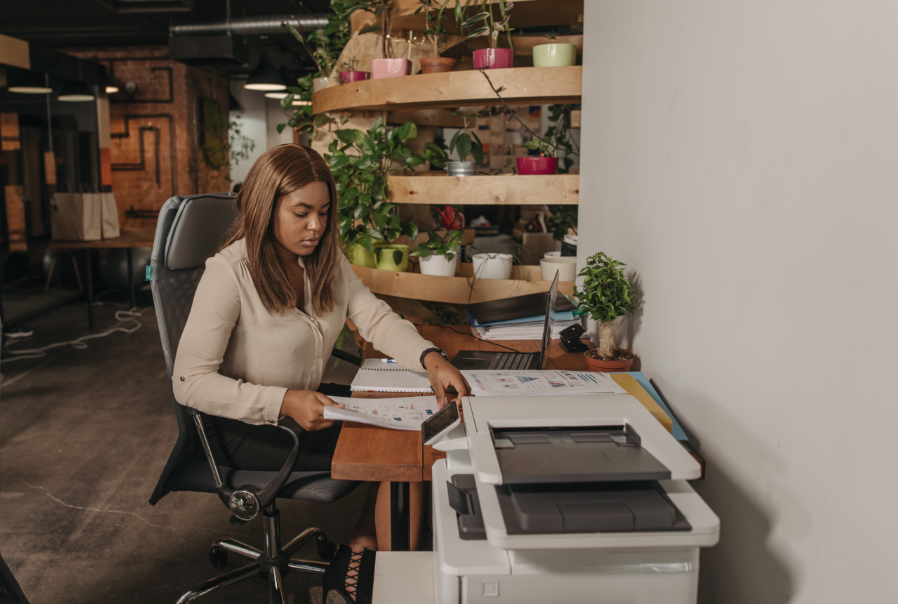
Every business has documents to manage, but the amount of paperwork and the way it is used can vary considerably from one industry to another. An accounting firm may handle stacks of invoices and financial statements, while a medical office manages patient records, forms, and administrative paperwork. A construction company, meanwhile, may need to keep track of contracts, permits, plans, and project files.
When these records remain on paper, finding the right document can take time, especially as the business grows. Filing cabinets fill up, employees may need to search through multiple folders, and sharing information between offices can become inconvenient.
Professional document scanning helps businesses convert paper records into digital files that are easier to organize, retrieve, and share. Although nearly any organization that handles substantial paperwork may benefit, certain industries have particularly strong reasons to consider digitization.
Why Professional Document Scanning Matters Across Industries
Paper records are not automatically a problem. Physical documents can be necessary for original signatures, historical preservation, or specific legal and regulatory requirements. The challenge arises when a business relies on paper for information that employees need to access regularly.
Professional scanning can help organizations address several common issues:
- Time-consuming searches: Digital files can be organized by client, date, project, or document type, making retrieval more convenient.
- Limited storage space: Digitizing suitable records can reduce the amount of physical storage needed in an office.
- Difficult document sharing: Authorized employees can access digital copies without waiting for physical files to be delivered.
- Growing paperwork volumes: A planned digitization process can help businesses manage both existing records and new documents.
- Inconsistent filing practices: Standardized digital naming and folder structures can make records easier to maintain.
The benefits depend on the quality of the scanned files and how well the organization manages them afterward. Scanning is most effective when it forms part of a broader document management process rather than creating a collection of unorganized digital images.
1. Healthcare and Medical Offices
Medical practices often handle a wide range of paperwork, including patient intake forms, referral documents, insurance records, consent forms, and administrative files. Depending on the organization, some historical records may also remain in paper archives.
Locating a specific document can become challenging when records are distributed across filing cabinets or stored in different locations. Digitizing suitable paper documents can help staff access information more conveniently and reduce dependence on physical filing systems.
Professional document scanning may be useful for:
- Patient registration and intake forms
- Insurance and billing paperwork
- Referral and administrative records
- Historical paper files that are eligible for digitization
What matters most: Confidentiality and accuracy. Medical records contain sensitive information, so organizations should use appropriate safeguards when documents are scanned, transferred, stored, and accessed. Healthcare providers must also follow applicable privacy, security, and record-retention requirements. Digitization does not remove those obligations.
2. Legal Firms and Law Offices
Legal professionals frequently work with contracts, case files, court documents, correspondence, evidence, and supporting paperwork. A single matter may generate hundreds or even thousands of pages over time.
When these documents are kept entirely on paper, locating a particular version of an agreement or finding a supporting record can take considerable effort. Digital copies can make it easier for authorized team members to search, review, and share documents during the course of a case.
Documents that may be suitable for scanning include:
- Contracts and agreements
- Case files and legal correspondence
- Deposition transcripts and supporting records
- Administrative documents and archived files
What matters most: Document integrity and confidentiality. Legal firms should verify that scanned copies are complete and readable, preserve original documents when required, and establish suitable access controls. Any document with special evidentiary or retention requirements should be handled according to the firm’s procedures and applicable rules.
3. Accounting Firms and Financial Services
Accounting firms, bookkeepers, and financial service providers handle records that need to be organized and readily available. Invoices, receipts, tax documents, bank statements, expense reports, and financial statements are common examples.
During an audit, tax preparation process, or client review, employees may need to retrieve records from a specific period. A well-organized digital archive can make that process easier than searching through boxes of paper files.
Professional document scanning can support the digitization of:
- Accounts payable and receivable records
- Receipts and expense documentation
- Financial statements and reports
- Tax-related paperwork
- Client and administrative records
What matters most: Clear organization and reliable retention practices. Financial documents should be categorized consistently, protected from unauthorized access, and retained for the periods required by applicable laws and business policies. Businesses should not assume that a scanned copy can automatically replace every original document.
4. Schools and Educational Institutions
Schools, colleges, training centers, and other educational organizations manage paperwork for students, staff, administration, and day-to-day operations. Over time, these records can accumulate across departments and offices.
Paper enrollment forms, student applications, attendance records, staff documents, and administrative files can be difficult to manage when there is no consistent filing system. Digitizing appropriate records can help authorized staff locate documents and reduce the need to handle physical folders repeatedly.
Common candidates for scanning include:
- Enrollment and application paperwork
- Student administrative records
- Staff and human resources documents
- Historical school records eligible for digitization
- Administrative forms and correspondence
What matters most: Privacy and controlled access. Student and employee records should be handled according to applicable privacy requirements and institutional policies. Schools should also establish clear rules for retaining original documents and limiting access to confidential information.
5. Real Estate Agencies and Property Management Companies
Real estate businesses often deal with large volumes of documents throughout a property’s lifecycle. Purchase agreements, lease documents, inspection reports, maintenance records, disclosures, and property-related correspondence may need to be retrieved long after a transaction or repair has been completed.
If these records are scattered across paper folders, different offices, or individual employees’ workspaces, finding the right document can slow down routine tasks.
Scanning can help real estate businesses organize:
- Lease agreements and property contracts
- Inspection and maintenance reports
- Property management records
- Transaction-related paperwork
- Tenant and administrative documents
What matters most: Consistent organization. Files can be categorized by property, client, transaction, or date, depending on how the company operates. Access permissions are also important when records contain financial, personal, or contractual information.
6. Construction and Engineering Companies
Construction and engineering projects generate paperwork from planning through completion. Contracts, permits, technical drawings, inspection reports, change orders, safety documentation, and project correspondence may all need to be maintained.
Project teams can lose time when important documents are stored in different filing cabinets or when employees cannot easily identify the latest approved version. Digital copies can improve access to project records and make it easier to share information among authorized team members.
Documents that may benefit from scanning include:
- Contracts and purchase orders
- Permits and inspection records
- Project reports and correspondence
- Historical drawings and plans suitable for scanning
- Safety and administrative paperwork
What matters most: Legibility, completeness, and version control. Large-format plans may require specialized scanning equipment, and scanned copies should not be confused with editable technical drawings. Teams should maintain clear procedures for identifying current versions and preserving originals when necessary.
7. Government Offices and Public Agencies
Public agencies and government departments may maintain extensive paper archives containing applications, permits, administrative correspondence, historical records, and other official documents.
As records accumulate, managing physical files can require considerable storage space and staff time. Digitization may help agencies organize eligible records, support retrieval, and improve access for authorized employees.
Potential scanning projects include:
- Permit and application records
- Administrative files
- Historical documents suitable for digitization
- Departmental correspondence
- Other eligible public records
What matters most: Compliance and long-term preservation. Public records may be subject to specific retention schedules, access rules, privacy requirements, and archival standards. Agencies should confirm the relevant requirements before scanning, disposing of originals, or changing access procedures.
8. Manufacturing and Distribution Businesses
Manufacturers, warehouses, and distribution companies rely on paperwork to support purchasing, production, shipping, inventory, and quality control. Purchase orders, delivery records, inspection forms, supplier agreements, and equipment maintenance logs are common examples.
When employees need to find an older shipment record or verify a supplier document, a paper-only filing system can slow the process. Digitization can help make these records easier to locate and share with authorized personnel.
Documents that may be suitable for scanning include:
- Purchase orders and supplier records
- Shipping and delivery paperwork
- Quality inspection reports
- Equipment maintenance records
- Inventory and administrative documents
What matters most: Practical retrieval. A digital filing system should reflect how employees actually search for information, whether by supplier, order number, product, date, or facility. Consistent naming and indexing can make scanned records much more useful.
9. Small Businesses and Professional Service Providers
Small businesses may not have dedicated records-management teams, but they still generate contracts, invoices, employee files, customer forms, correspondence, and other important documents.
In a smaller office, paperwork may be distributed among filing cabinets, desks, storage rooms, and individual employees. That can make it difficult to maintain a consistent system as the company grows.
Professional scanning can help small businesses digitize selected records and establish a more organized starting point for managing information.
Examples include:
- Customer and supplier files
- Contracts and signed forms
- Invoices and receipts
- Employee and administrative records
- Historical business paperwork
What matters most: Keeping the process manageable. A business does not necessarily need to scan every document immediately. Starting with frequently used records or a well-defined archive can help the company develop a sensible process without disrupting daily work.
How to Decide Whether Your Industry Needs Document Scanning
Industry is one factor, but the volume and use of your paperwork are often more useful indicators when deciding whether to digitize records.
Your organization may be a good candidate for professional scanning if:
- Employees frequently spend time searching for paper documents.
- Filing cabinets or storage boxes are taking up valuable space.
- Multiple departments need access to the same records.
- Your business has accumulated years of paperwork.
- Records need to be organized before a move, office renovation, or system change.
- Your current filing process makes it difficult to maintain consistent records.
The best starting point is to review the documents your team uses most often, identify where delays occur, and decide which records are suitable for digitization. For additional guidance, read our related article on the benefits of digital document management and learn about the signs your business needs scanning.
What to Look for in a Professional Document Scanning Service
Once a business decides to digitize its records, choosing an appropriate scanning provider becomes an important part of the project.
Before making a decision, consider the following:
Document types and sizes: Confirm that the provider can handle your materials, including fragile pages, bound records, or large-format documents where needed.
Image quality and completeness: Ask how scanned files are checked for readability, missing pages, and other quality issues.
File organization: Discuss how files will be named, indexed, grouped, and delivered so they fit your existing workflow.
Confidentiality and security: Understand how documents are handled during collection, scanning, transfer, and delivery.
Project scope and turnaround: Clarify the approximate volume of records, preparation requirements, delivery format, and expected schedule.
Retention of originals: Establish what will happen to the physical documents after scanning and confirm any applicable retention obligations before authorizing disposal.
A provider should understand that the objective is not simply to scan pages. The finished files need to be useful, organized, and appropriate for the business’s recordkeeping needs.
Make Document Management Easier for Your Business
From medical offices and legal firms to construction companies, schools, and small businesses, many organizations can benefit from a more practical way to manage paper records. The reasons differ by industry, but the underlying challenge is similar: important information needs to be available when people need it.
Professional document scanning can help businesses convert suitable paper records into digital files, reduce dependence on physical storage, and create a foundation for more organized document management. The greatest benefit comes when scanning is paired with consistent naming, appropriate security, and a clear plan for maintaining records over time.
If your organization is ready to review its paper archives, explore DRM Scanning’s professional document scanning services to learn more about digitizing business records.
The right approach begins with understanding your documents, your team’s needs, and the requirements that apply to your industry. From there, you can build a digitization process that supports everyday work and future growth.
Image by Pexels