How Often Should Your Business Shred Documents? A Canoga Park Guide
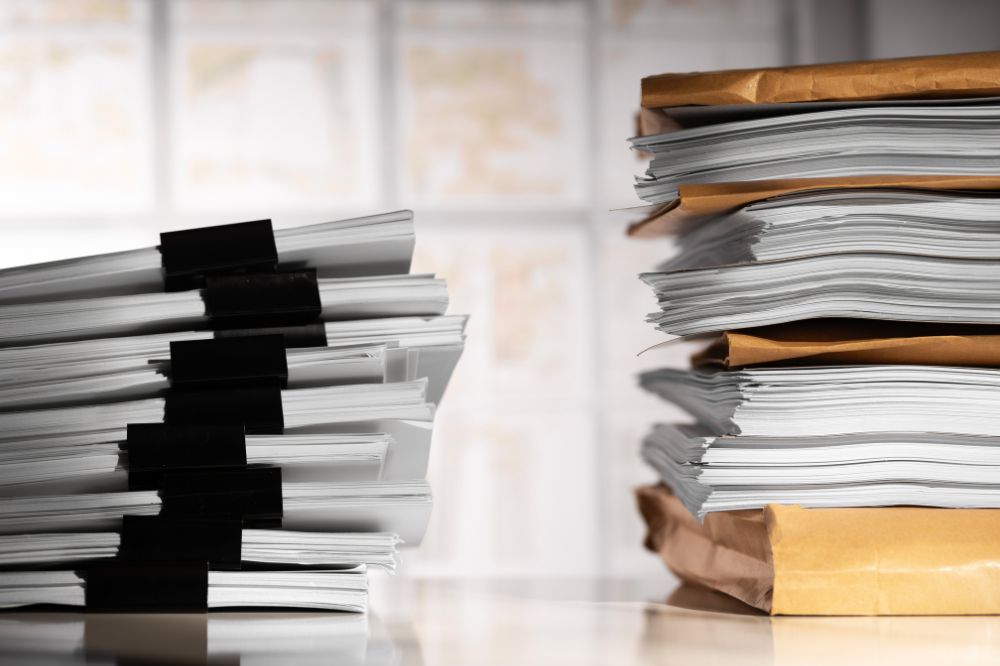
Protecting sensitive information is a responsibility every business shares, regardless of its size or industry. From financial records and employee files to customer information and internal documents, businesses handle a significant amount of confidential data every day. Simply throwing paperwork into the trash can expose your company to identity theft, data breaches, and compliance issues.
That raises an important question: How often should your business shred documents? The answer depends on your industry, the volume of paperwork you generate, and your legal record retention requirements. For businesses in Canoga Park, establishing a consistent document shredding schedule is one of the easiest ways to strengthen information security and maintain compliance.
Why Regular Document Shredding Matters
Many businesses underestimate the risks associated with discarded paperwork. Even documents that seem insignificant can contain valuable information such as customer names, addresses, financial details, account numbers, or employee records.
Regular shredding helps your business:
- Protect confidential business information
- Prevent identity theft and fraud
- Reduce the risk of data breaches
- Maintain compliance with privacy regulations
- Keep workspaces organized and clutter-free
How Often Should Documents Be Shredded?
There isn’t a one-size-fits-all answer. The ideal shredding schedule depends on how frequently your business handles confidential information.
Daily Shredding
Businesses such as healthcare providers, financial institutions, insurance agencies, and legal offices often generate sensitive documents every day. Daily shredding helps minimize risk by ensuring confidential information never sits unattended for long periods.
Weekly Shredding
Many small and medium-sized businesses find weekly shredding sufficient. Offices that regularly produce invoices, contracts, payroll reports, or customer correspondence benefit from a consistent weekly routine that prevents paper from piling up.
Monthly Shredding
Companies with lower document volumes may only require monthly shredding. However, confidential documents should always be stored securely until they are destroyed.
The key is consistency. Waiting until filing cabinets overflow increases security risks and makes document disposal more difficult.
Which Documents Should Be Shredded?
Businesses should never assume a document is safe to discard simply because it appears outdated.
Common examples include:
- Employee records
- Payroll information
- Tax documents
- Customer files
- Medical records
- Financial statements
- Contracts
- Vendor information
- Credit card receipts
- Bank statements
- Internal reports
- Marketing plans containing proprietary information
If a document contains confidential, financial, or personally identifiable information, shredding is typically the safest disposal method.
Why a Shred Bin Service Makes Sense
Many businesses struggle to maintain a consistent shredding schedule because employees forget or lack the time to destroy documents properly.
A professional shred bin service simplifies the process by providing secure collection containers throughout the office. Employees simply place confidential papers into locked bins instead of regular recycling containers.
Once the bins reach capacity—or according to a scheduled service plan—a shredding provider collects and securely destroys the contents.
This approach offers several advantages:
- Improved workplace security
- Convenient disposal process
- Reduced employee responsibility
- Scheduled, consistent document destruction
- Better compliance with company policies
Paper Documents Still Matter in a Digital World
Many companies have transitioned to digital workflows, but paper records remain surprisingly common. Signed agreements, printed invoices, employee paperwork, shipping records, and financial documents continue to circulate in many offices.
Even businesses embracing digital cloud storage often maintain physical copies of important records during transition periods or for legal requirements.
Because of this hybrid environment, organizations need policies for both digital security and physical document disposal. Secure shredding remains an essential part of an effective information management strategy.
Creating a Document Retention Policy
Businesses should avoid destroying documents too early while also preventing unnecessary storage of outdated records.
A document retention policy should clearly define:
- Which records must be retained
- How long each document should be stored
- Where documents are kept
- When documents become eligible for destruction
- Who is responsible for approving disposal
Benefits Beyond Security
Regular document shredding offers advantages beyond protecting sensitive information.
Businesses often experience:
- Less office clutter
- Better file organization
- Improved employee efficiency
- Reduced storage costs
- Greater customer confidence
Clients appreciate companies that take information security seriously, making secure document disposal an important part of maintaining a professional reputation.
Conclusion
Protecting confidential information is an ongoing responsibility for every business. Whether your organization needs daily, weekly, or monthly document destruction, maintaining a consistent shredding schedule helps reduce security risks, support compliance, and keep your workspace organized.
At DRM, DOCUMENT SCANNING & SHREDDING SERVICE, we help businesses in Canoga Park protect their confidential information with secure, reliable, and professional document destruction solutions tailored to their needs.
Frequently Asked Questions
1. How do I know when documents should be shredded?
Documents should be shredded once they have reached the end of their required retention period and are no longer needed for legal, financial, or operational purposes.
2. Is document shredding necessary if my business stores files digitally?
Yes. Many businesses still handle printed records containing confidential information. Physical documents should always be securely destroyed once they are no longer required, even when digital copies exist.
3. What types of businesses benefit most from scheduled shred bin services?
Healthcare providers, law firms, financial institutions, accounting offices, schools, insurance agencies, and any business handling confidential customer or employee information benefit from scheduled shredding services.
4. Can staples, paper clips, and folders be shredded?
Most professional shredding equipment can process documents with staples and paper clips. However, requirements may vary depending on the shredding provider.
5. What are the risks of throwing confidential documents into regular trash?
Discarding sensitive documents without shredding increases the risk of identity theft, fraud, information leaks, regulatory penalties, and reputational damage if confidential information falls into the wrong hands.